
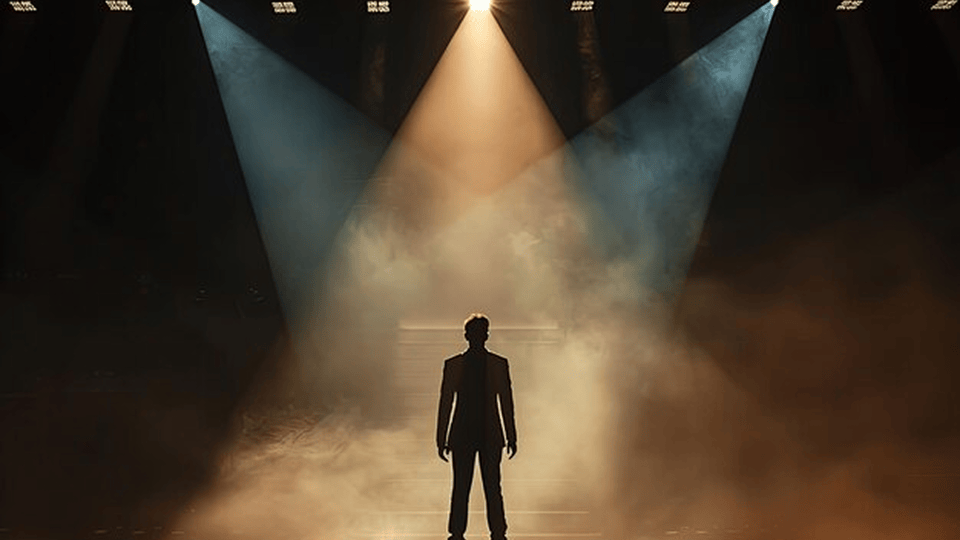
Every well-lit stage is a balance of two fundamentals: broad, even coverage and precise, punchy focus. Wash fixtures and spot fixtures each do one of these jobs naturally, the skill is knowing how to use both so they enhance each other rather than competing.
What each fixture actually does
A wash fixture spreads light across a wide area smoothly and evenly. It fills shadows, blends colors, and creates the ambient environment that the rest of the look lives inside. On its own, a wash rig can feel flat and without drama, everything is equally lit, so nothing stands out.
A spot or profile fixture does the opposite. It concentrates output into a tight, defined beam with a hard or soft edge. Spots create focal points, isolate performers, and project shapes and gobos. Without any wash support, a spot-only rig can feel harsh and theatrical in the wrong way, lots of darkness with islands of intense light.
How contrast shapes the story
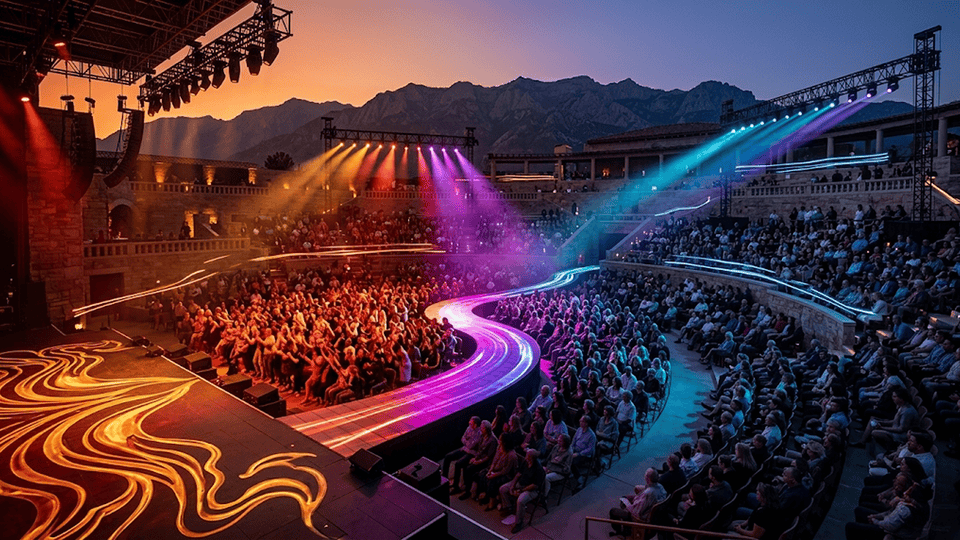
Contrast is what makes a lighting design feel intentional. When a performer is lit brighter than the background, the eye is drawn there naturally. When the background wash changes color while a spot stays neutral, the emotional tone shifts without the focal point moving. These relationships are where lighting becomes storytelling.
- Keep wash intensity 20-40% lower than your key spots during performance
- Use complementary colors, warm spots against cool washes, or vice versa
- Reserve full wash intensity for high-energy transitions and scene resets
- Let washes carry color storytelling while spots stay clean and focused
Making them work together
The practical starting point for any rig is to treat wash fixtures as your canvas and spots as your brush. Set the wash first, position, color, and intensity, then add spots to define the most important areas. When programming cues, always check how changes in one layer affect the other. A spot that looks great in isolation might disappear against a bright wash, or a wash color shift might accidentally kill the drama of your key light.
Moving head wash fixtures and moving head spots are the standard combination for most live event and AV production rigs today. The flexibility to reposition both during a show means a single system can serve a keynote presentation, a product reveal, and a closing concert in the same evening.
Wash and spot fixtures are not competing products, they are designed to work as a system. Build your rig with both in mind from the start, and design your cues so the two layers always have a defined relationship. That relationship is what separates a professional lighting design from a collection of lights pointed at a stage.